The refrigerator in your kitchen uses a cycle that is similar to the one described in the previous section. But in your refrigerator, the cycle is continuous. In the following example, we will assume that the refrigerant being used is pure ammonia, which boils at -27 degrees F. This is what happens to keep the refrigerator cool:
The compressor compresses the ammonia gas. The compressed gas heats up as it is pressurized (orange).
The coils on the back of the refrigerator let the hot ammonia gas dissipate its heat. The ammonia gas condenses into ammonia liquid (dark blue) at high pressure.
The high-pressure ammonia liquid flows through the expansion valve. You can think of the expansion valve as a small hole. On one side of the hole is high-pressure ammonia liquid. On the other side of the hole is a low-pressure area (because the compressor is sucking gas out of that side).
The liquid ammonia immediately boils and vaporizes (light blue), its temperature dropping to -27 F. This makes the inside of the refrigerator cold.
The cold ammonia gas is sucked up by the compressor, and the cycle repeats.
By the way, if you have ever turned your car off on a hot summer day when you have had the air conditioner running, you may have heard a hissing noise under the hood. That noise is the sound of high-pressure liquid refrigerant flowing through the expansion valve.
Pure ammonia gas is highly toxic to people and would pose a threat if the refrigerator were to leak, so all home refrigerators don't use pure ammonia. You may have heard of refrigerants know as CFCs (chlorofluorocarbons), originally developed by Du Pont in the 1930s as a non-toxic replacement for ammonia. CFC-12 (dichlorodifluoromethane) has about the same boiling point as ammonia. However, CFC-12 is not toxic to humans, so it is safe to use in your kitchen. Many large industrial refrigerators still use ammonia.
In the 1970s, it was discovered that the CFCs then in use are harmful to the ozone layer, so as of the 1990s, all new refrigerators and air conditioners use refrigerants that are less harmful to the ozone layer.
The sum of the container weight plus the payload contained in it.
actual payload
Maximum allowable weight of payload (actual weight minus tare weight).
actual weight
Gross shipping weight.
box pallet
A pallet with at least three fixed, removable, or collapsible vertical sides.
break bulk
Cargo transported not in a container. It may be in loose packages or in loose form, such as machinery.
break bulk cargo
See break bulk.
cargo seal
The metal device inserted into the handle assembly on the door of the container to prevent or to detect entry. The seal has a number that is recorded. In addition, this number is often noted on the bill of lading. The sophistication of seals can range from a simple, numbered plastic tag - called an entry seal and used on an empty container - to an electronic seal that immediately indicates through global electronic positioning technology when and where it has been broken.
cargo tonnage
The weight ton in the United States is the short ton, 2,000 pounds, or the long ton, 2,240 pounds. In British countries it is the English long ton, or gross ton, of 2,240 pounds. In France and other countries having the metric system, the weight ton is 2,204.62 pounds. The measurement ton is usually 40 cubic feet, but in some instances a larger number of cubic feet is taken as a weight ton. Most ocean freight is taken at weight or measurement (W/M), ship's option.
cargo weight
The weight of the cargo. Cargo weight plus tare weight equals gross weight.
carrying temperature
A narrow, prescribed range of temperatures in a container during transit that maintains the ideal temperature in the product and protects the product from harm. This information is displayed on a label attached to the container.
chassis
A wheeled carriage onto which a container is mounted for over-the-road conveyance. More specifically, it is a skeletal frame, semi-trailer which is equipped with license, lights, reflectors, brakes, etc., to meet the legal operating codes and requirements of the jurisdictions within which it operates. This unit has locking devices that secure the container to the frame. In the case of container yard operations, it is a skeletal trailer, generally without a license for use on the public roads, for moving containers within a yard. Also, the part of a motor vehicle that includes, the frame, suspension system, wheels, steering mechanism etc., but not the engine or the body.
container
When used in an intermodal industry context, this refers to a steel or aluminum box into which goods or a commodity are packed for shipment.
container contamination
A container is considered contaminated when residue of previous cargo cannot be cleaned by normal sweeping or by normal steam cleaning. The remedy may then be:
·structural repair,
·removal of contaminated floor boards,
·partial or full refurbishment,
·chemical cleaning,
·fumigating,
·decontamination, or
·deodorizing.
container damage
Defined by one or more physical defects on a container that affects the cargo carrying capabilities of the unit. This could have been caused by a single or a series of events, such as impact, abrasion, or contamination. Damaged containers are inspected and repaired to the ICII standards.
container load
A load sufficient in size to fill a container either by cubic measurement or by weight.
container load plan
A list and a graphic picture of the inside of a container showing where and how the cargo is stowed and the loading sequence.
containerizable cargo
Cargo that will fit into a container and result in an economical shipment consistent with delivery requirements.
controlled atmosphere
A term used in reference to a refrigerated container to indicate it is a type that permits the temperature within the container to be controlled. The reason that this is important is so a gas such as nitrogen can be maintained in a stable condition within the container. Nitrogen reduces the spoilage rate of fruits and vegetables.
corner post
A vertical structural member at each of the four corners of a container. These are made onto a square unit by top and bottom horizontal posts. The vertical and horizontal members are connected at the corner castings, thereby forming an end frame or corner structure.
cubic capacity
Has two meanings: (1) the carrying capacity of a container in terms of cubic measurement; and (2) the cubic space available for the stowage of cargo.
cubic feet per minute
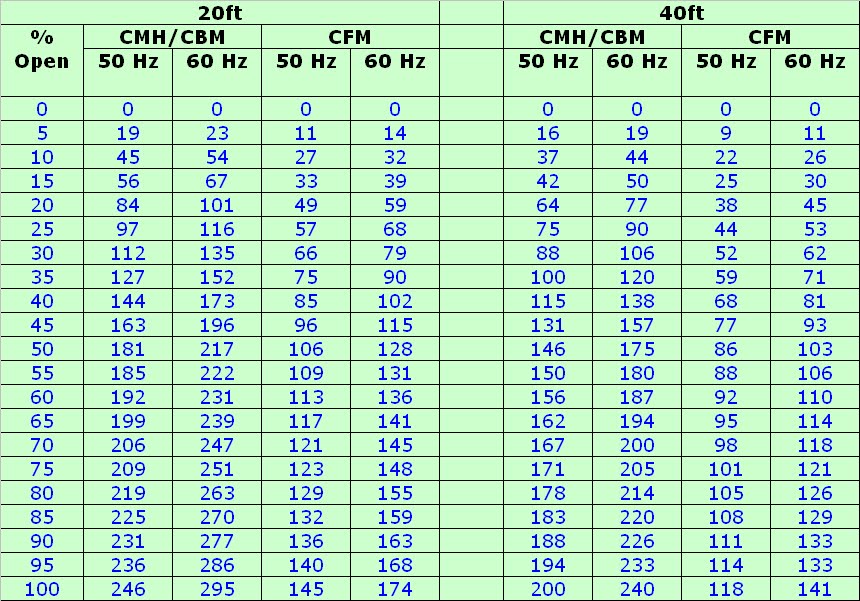
Unit of measurement for the movement of a volume of gas or liquid per unit of time.
cubic foot
A measurement of 12 inches by 12 inches by 12 inches or 1,728 cubic inches.
cubic meter
A measurement of 1 meter by 1 meter by 1 meter. Abbreviated: CBMCM
D20
Dry 20-foot container.
D40
Dry 40-foot container.
deadweight tonnage
The number of long tons (see ton) of cargo, stores, water, and fuel a vessel can transport. Relative to cargo, the weights for stores, water, and fuel are not significant. You can use DWT as a quick reference for the cargo carrying capacity of a ship.
deadweight cargo
Cargo of such a nature that one long ton is stowed in less than 70 cubic feet.
dry cargo When used in a tariff, this means cargo other than liquid cargo or cargo requiring temperature control.
dry cargo
When used in a tariff, this means cargo other than liquid cargo or cargo requiring temperature control.
dunnage
Material used in stowing or bracing cargo to prevent movement.
FEU
Abbreviation for the International Standards Organization designated "Forty-Foot Equivalent Unit."
flat rack
See flat rack container.
flat rack container
A special container for cargo too long or wide for standard containers.
floor loading
Static weight of cargo and the dynamic force of handling equipment, such as a forklift, for a particular container.
forklift pockets
Openings in the sides of containers for the insertion of forks by a forklift.
forklift truck
A three or four wheeled mechanical unit with forks at the front designed for lifting, carrying, and stowing cargo, pallets, or containers.
forty-foot equivalent unit
Abbreviated FEU. Refers to container size standard of 40 feet. 1 40-foot container equals 2 TEU. This equivalency standard was set by the ISO.
full container load
A container loaded, completely or almost, to its maximum weight limit or cubic content.
gallon
One U.S. gallon equals 231 cubic inches or 0.1337 cubic feet.
genset
Generator used to supply power to a refrigerated container.
GOH
Garment on hangar. Indicates a container that has been converted from a dry box to a garment container.
gooseneck
On a drop-frame chassis, the gooseneck is the upper level at the front of the chassis together with the structure connecting it to the lower level behind it. The gooseneck on the chassis structure fits into the gooseneck tunnel recess of containers built with this feature. This provides the securing and stability for the container at the front. The rear of the container is secured with the normal twistlock assembly.
gooseneck tunnel
The recess in the front portion of a container understructure into which the gooseneck structure of a chassis fits.
gross ton
2,240 pounds. See short ton.
gross tonnage
This is not a measurement of weight as we traditionally think of it. It is a measurement of the amount of vessel space: a ton is 100 cubic feet. A ship's gross tonnage is all the cubic feet in its enclosed spaces: cargo holds, engine room, and deck house divided by 100. See net tonnage.
gross weight
As a measurement, gross means the item you are evaluating consists of the overall total exclusive of deductions. When, for example, referring to an in-gate operation this is the total weight of the equipment - such as tractor, including fuel and driver - and chassis and cargo. But, if you were referring to the gross weight of the container only, this would be a combination of the container tare weight plus the cargo weight.
grounding
Removing the container from the stack train and putting it on a chassis.
half height container
An open top container, sometimes fitted with removable covers, that is 4'3''/1.30m high.
high cube
A container that exceeds 8 feet 6 inches in height.
in transit
In passage.
inflatable dunnage
Flexible bags usually made from vinyl material; can be inflated within the void spaces of a stow to prevent movement of the cargo.
insulated container
A container insulated on the walls, roof, floor and doors, to reduce the effect of external temperatures on the cargo.
International Standards Organization
An organization founded in the late 1940's and headquartered in Geneva, Switzerland. Through the participation of its members, it establishes many world standards; for example, ISO 9002 as a business practice. In the intermodal area, the ISO is best known for establishing in the mid 1960's the standard for the size of a container, including all its components, such as the specifications for the corner casting. This reversed the situation where, by the time there were 20,000 containers worldwide in 1965, there were 11 different sizes. The resulting uniformity coordinated and established by the ISO permitted the evolution from containerization to intermodalism.
ISO
See International Standards Organization.
known damage
Damage discovered before or at the time of delivery of a shipment.
known loss
A loss discovered before or at the time of delivery of a shipment.
KT
Kilo or metric ton. Equals 2,204.6 pounds.
laden
Means the same as "loaded (aboard a vessel)."
lash
To hold goods in position by the use of securing devices such as wire rope, lines, chains and straps.
lashing fitting
A cargo securing device in the floor fixed to the interior side panels of a container that provide for the lashing or securing of cargo.
lashing point
See lashing fitting.
lashing rod
A stout metal rod used in on-deck container stowage that secures containers to the deck. It ties a container corner casting to a fitting on the deck or on the lashing bridge. Used in conjunction with the interbox connector, this stabilizes the stacks on deck. This is necessary to compensate for the effects of ship movement in the open sea.
load
To load a vehicle or container. The freight in a vehicle or container. A container filled with freight that is moved from the customer-designated origin to the customer-designated destination. To load a program into a computer after the program has been translated into machine code. Any procedure for getting a computer or other device ready to operate by providing that device with the magnetic tape or disks that it needs to function.
long ton
2,240 pounds. See also ton.
m
Abbreviations for: A meter, or 39.37 inches.
max.
Maximum.
maximum cube
A level of cube utilization that closely approximates the stated cubic capacity of a container.
maximum gross weight
Weight of a container and its payload.
maximum payload
Maximum cargo that can be loaded into a container either by weight or volume.
MBM
1,000 board feet. 1 MBM equals 2,265 C.M.
meter
1 meter equals 39.37 inches. Also spelled metre.
metre
An alternative spelling of meter.
metric ton
2,204.6 pounds; or 40 cubic feet - used in water transportation rate-making. The same as a measurement ton. Also see ton.
min.
Minimum.
min. wt.
Minimum Weight.
modified atmosphere
Abbreviated MAMOS. A blend of gases tailored to a specific load of cargo that replaces the normal atmosphere within a container.
MT
Measurement ton. See metric ton.
net short ton
2,000 pounds.
net tare weight
The weight of an empty cargo-carrying piece of equipment plus any fixtures permanently attached.
net ton
Metric ton.
net tonnage
Net tonnage measures volume of airspace. Like deadweight tonnage, it is used to rate a ship's cargo carrying capacity.
To determine NT, the cubic footage of all non-cargo spaces - crew accommodations, machinery and navigation areas, the engine room, and the fuel and water tanks - are measured. This measurement is divided by 100 to convert it to net tons. This figure is then subtracted from the gross tonnage figure. The result is net tons of cargo carrying capacity in cubic measure. See also gross tonnage.
net weight
When referring to goods, this is the weight of the product exclusive of all packaging.
nose
Front of the container.
NT
Net ton.
obnoxious cargo
Cargo that can by its nature contaminate its container, the vessel, or other cargo, for example: hides or fish meal.
open top
See open top container.
open top container
container fitted with a solid removable roof, or with a tarpaulin roof that can be loaded or unloaded from the top.
optimum cube
The highest level of cube utilization that can be achieved when loading cargo into an ocean-freight container.
overheight cargo
Cargo extending above the height of an open top container.
pallet
Standard size platform on which packages can be stacked and then unitized - for example, with bands or plastic wrap for easy movement by a forklift truck. See pallet wrapping machine. Europe, the 1,200mm by 1,000mm pallet is in general use. The U.K. equivalent is 48 inches by 40 inches. Growing in popularity is the 48 inch by 48 inch pallet.
palletized cargo
Individual items of cargo loaded on a pallet.
payload
General, this is the revenue-producing or useful load a means of transportation can carry. Translated to intermodal language, it is a container's maximum permitted cargo weight, not including cargo securing devices and dunnage.
Pti
Pre trip inspections
reefer
Refrigerated container, equipment or cargo.
reefer cargo
Industry language for the term "refrigerated cargo," which cargo requiring temperature control. See refrigeration.
reefer container
Industry language for the term "refrigerated container."
refrigerated container
See refrigeration.
refrigeration
In its simplest terms, refrigeration is simply the removal of heat from one medium to another by use of inert gas. In the case of refrigerated containers, it is removal of heat from inside the box - the cargo and surrounding air - to outside the box. The inert gas most commonly used is named R-12.
relative humidity
A percentage of the amount of moisture in air relative to saturated air at the same temperature.
RFR
Reefer.
seal
Metal strip and lead fastener used for locking freight car or container doors. Seals are numbered for recording purposes. A seal is generally affixed after Customs exams have been completed, and prior to the container being loaded on the first conveyance. See cargo seal.
set point temperature
The point, or points, at which the thermostat in a refrigerated container is set, that will maintain the ideal pulp temperature in the product.
setting
A notation on the transport document, known as a bill of lading in the case of ocean carriage, stating the temperature at which the cargo must be maintained. This term is most commonly used in relation to a refrigerated container. Also known as air delivery temperature.
setting/air delivery temperature
See setting.
short ton
Abbreviated ST. 2,000 pounds. See also ton.
skid
Refers to planks placed under a box, crate or piece of machinery to enable the piece to be easily handled by a mechanical lifting device. Battens, or a series of parallel runners, fitted beneath boxes or packages to raise them clear of the floor to permit easy access of forklift blades or other handling equipment.
skip sheet
A flat piece of cardboard that replaces a pallet.
special commodities
Highly perishable commodities that require special handling to arrive at their destination in optimum condition. Some examples are fish, meat, photographic film, fruit, and some candies.
special container
A container designed to carry overheight (open-top container), overwidth (flat rack container) or liquid (tank container) cargo.
stack
Containers stowed more than one high and in a orderly way in one place in a Container Yard, CFS, depot, or on a vessel.
standard ton
Same as short ton. See also ton.
stow
The placing and securing of cargo or containers on a vessel or on an aircraft. This also includes placing and securing cargo in a container.
stow plan
A diagrammatic picture of the vessel's cargo hatches showing the location of cargo or containers.
stowage
A marine term referring to loading freight into ships' holds.
stowage factor
The ratio of a cargo's cubic measurement to its weight, expressed in cubic feet to the ton or in cubic metres to the tonne. It is an expression of the total quantity of cargo which can be loaded in a space.
stowage instructions
Details given by the shipper or his agent about the way cargo is to be stowed.
stowage plan
See stow plan.
stuff
To load a container.
stuffing
Loading cargo into a container. Also known as vanning.
superimposed load
The static and dynamic load forces imposed downward externally and vertically on the structure of a container.
tank container
A specially constructed container for transporting liquids and gases in bulk.
tare weight
The weight of equipment that is empty, that is, not carrying cargo. For example, an empty FEU of steel construction weighs between 6,000 to 8,380 pounds/2,860 to 3,800 kilograms. See also cargo weight and gross weight.
tarpaulin
Waterproof fabric used for covering the top of an open top container.
temperature recorder
A waterproof device to permanently record the inside temperature of operating refrigerated containers. The device may be computerized, mechanical, or both. The chart onto which the information is inscribed mechanically is called the Partlow chart. Mr. Partlow was the inventor.
TEU
Abbreviation for the International Standards Organization designated "Twenty Foot Equivalent Unit".
tolerance
A weight allowance made to reconcile weight variations of certain commodities.
ton
A measurement of weight:
. A short ton, used for rough calculations, is 2,000 pounds. This "abbreviated" ton is used in cargo operations, particularly when working with break bulk cargo. It useful for doing mental quick calculations.
. A long ton, also known as gross ton, used for more precise calculations, is 2,240 pounds. The genesis of the long ton goes back to the 13th century, when merchant ships carried large cargoes of wine in giant casks, which were called "tuns." The number of tuns a ship could carry was a rough gauge of her capacity. By the 15th century, England had established a standard for the wine-filled tun: a capacity of 250 gallons, which converted to 2,240 pounds. In the 17th century, long after wine ceased to be a major cargo, usage brought about the modern spelling of ton.
A measurement of cubic volume
. Measurement ton is 40 cubic feet. Cargo can be taken at either weight or cubic volume.
tonnage
This term is used in various contexts in the maritime industry to describe:
·the cubic capacity of a vessel,
·the displacement of a vessel in tons of water,
·the total weight of the cargo, or
·a fee charged per ton of cargo at a port, pier, dock or canal.
tonne
Another way to spell the word ton.
twenty-foot equivalent unit
Abbreviated TEU. Refers to container size standard of 20 feet. 2 20-foot containers equal 1 FEU. This equivalency standard was set by the ISO.
two-way pallet
A pallet so designed that the forks of a fork lift truck can be inserted from 2 sides only.
unit load
Packages loaded on a pallet in a crate or any other way that enables them to be handled at one time as a unit.
unitization
Loading 1 or more large items of cargo onto a single piece of equipment, such as a pallet. The consolidation of a quantity of individual items into 1 large shipping unit for easier handling.
unitize
To consolidate several packages into 1 unit; to strap, band, or otherwise attach the several packages together.
unitized cargo
See unitize.
unitized load
A number of cartons or other pieces of cargo that are loaded onto a container as a single unit, typically either on a platform called a pallet, or a slipsheet. This type of handling fa ciliates handling by a load truck.
unstuff
Unloading a container.
vanning
See stuffing.
W
A tonne of one thousand kilogrammes. See also ton.
weight cargo
A cargo on which the transportation charge is assessed on the basis of weight.
weight limits
Once a container loaded with cargo has been put on a chassis and this unit has been attached to a tractor, there is another consideration: the limitations of the weight-bearing capacity of the road system between the beginning and end of the over-the-road segment. In the U.S., these limitations are called "bridge laws," as they are usually based on the weight that can be supported by a bridge.
weights and measures
Measurement ton = 40 cubic ft. Net ton, or short ton = 2,000 lbs. Gross ton/long ton = 2,240 lbs. Metric ton/kilo ton = 2,204.6 lbs. Cubic meter = 35.314 cubic ft.
Sometimes we need to identify containers by looking at the ISO codes. I have listed mainly use ISO codes for Depot users/surveyors. Container ISO-Codes ISO LxWxH Description of the container 20G0 20 x 8 x 8 20´ general container 20G1 20 x 8 x 8 20´ general container with ventilation holes 20H1 20 x 8 x 8 20´ port hole reefer container 20T0 20 x 8 x 8 20´ tank container 22G0 20 x 8 x 8,5 20´ general container 22G1 20 x 8 x 8,5 20´ general container with ventilation holes 22V0 20 x 8 x 8,5 20´ highly ventilated container 22R0 20 x 8 x 8,5 20´ integral reefer container 22R1 20 x 8 x 8,5 20´ integral reefer/heated container 22H2 20 x 8 x 8,5 20´ thermal insulated external container 22U0 20 x 8 x 8,5 20´ open top container 22U1 20 x 8 x 8,5 20´ open top container removable top 22P1 20 x 8 x 8,5 20´ flat rack with fixed ends 22P2 20 x 8 x 8,5 20´ flat with fixed corner posts only 22P3 20 x 8 x 8,5 20´ flat with collapsible ends 22P5 20 x 8 x 8,5 20´ open sided container 22T0 20 x 8 x 8,5 20´ tank container - non dangerous liquid 22T5 20 x 8 x 8,5 20´ tank container 22B0 20 x 8 x 8,5 20´ dry bulk container 25G0 20 x 8 x 9,5 20´ genaral high cube container (9,6) 25R1 20 x 8 x 9,5 20´ integral high cube reefer container (9,6) 28U1 20 x 8 x 4 20´ half height open top container 26T0 20 x 8 x 4 20´ half height tank container 28P0 20 x 8 x 4 20´ platform flat 42G0 40 x 8 x 8,5 40´ genral container 42G1 40 x 8 x 8,5 40´ genral container with ventilation holes 42V0 40 x 8 x 8,5 40´ highly ventilated container 42R0 40 x 8 x 8,5 40´ integral reefer container 42U1 40 x 8 x 8,5 40´ open top container 42U1 40 x 8 x 8,5 40´ open top container with removable top parts 42P1 40 x 8 x 8,5 40´ flat rack with fixed ends 42P2 40 x 8 x 8,5 40´ flat with corners posts only 42P3 40 x 8 x 8,5 40´ flat with collapsible ends 42P5 40 x 8 x 8,5 40´ open sided container 42B0 40 x 8 x 8,5 40´ dry bulk container 45G0 40 x 8 x 9,5 40´ general container high cube (9,6) 45R1 40 x 8 x 9,5 40´ integral reefer container high cube (9,6) 48U1 40 x 8 x 4 40´ half height open top container 48P0 40 x 8 x 2 40´ platform flat
AUTHORIZED SERVICE AGENT
FOR CARRIER, DAIKIN, MITSUBISHI, THERMO KING AND STARCOOL REEFER)
SERVICING PERIOD: APRIL
2004 TO UNTIL JUN 2008 JOB CONTENT: TECHNICAL EXCUTIVE (PASIR GUDANG)
PROVIDING
USED GP CONTAINER FOR SALES AS SALE UNIT
PERFORMING
PRE-TRIP INSPECTION FOR REEFER CONTAINER
SERVICING
AND MAINTENANCE
PERFORM
PRE-TRIP INSPECTION
REPAIR
ESTIMATION
REEFER
UNIT UPGRADING
ATTENDING
OUTSTATION SERVICES FOR SHIPPER COMPLAINT
ON-BOARD/VESSEL
SERVICE FOR REEFER
RETROFITTING
AND REFURBISHING FOR MITSUBISHI AND DAIKIN REEFER
SPARE-PART
DELIVERY
MARKETING
(PASIR GUDANG)
*************************************************************** EAST & WEST MARITIME SDN. BHD. SERVICING PERIOD: 1998/APRIL 2000 TO APRIL 2004 JOB CONTENTS: REEFER TECHNICIAN (JOHOR PORT)
MONITORING AND REPORTING FOR LADEN REEFER CONTAINER
PERFOMING PRE-TRIP INSPECTIONS FOR REEFER CONTAINER
SERVICING AND MAINTENANCE
REPAIR ESTIMATION
ONBOARD REEFER SERVICING AND MAINTENANCE
ATTENDING OUTSTATION SERVICES FOR SHIPPER COMPLAINT
ACQUIRED SKILLS/ JOBS SCOPE/ PREVIOUSLY RESPONSIBILITY:
CONTAINER DEPOT MANAGER
Container yard management
Knowledge in Shipping and logistics operation procedures
Suggests areas for improvement in internal processes along with possible solutions
Setting
performance target within each area of container operations and maintenance of
container handling equipment
Reviews the status reports of team members and addresses issues as appropriate
Leads internal teams/task forces
Complies with and helps to enforce standard policies and procedures
Planning the operations of the terminal to ensure high productivity and
speedy turn round of vessels/ REPO
Ensuring
that the various efficiency parameters such as preberthing detention, idle time
are kept minimum and moves per hour for import and export
Monitoring
the performance of each section technical, M&R of Container terminal and attending to their
problems, if any, ensuring that the targets set are achieved and the
operational profits are achieved as per targets
Developing
budget for the year in consultation with subordinates and after approval
ensuring that the costs are under control as per budget
Attending Daily, Monthly and other
meetings held with Customers and resolve Customers problems
Taking corrective actions on any non-conformance, quality problems and customers complaints
Finalizing of all operation and
maintenance related contracts
Interaction with the shipping lines
operating department
Granting permission for container gate
in gate out
Monitoring depot Planning and Billing to main office
Write And Update depot SOP
Complies with and helps to enforce standard policies and procedures
Implementation of Depot SOP in Committee
Head of Customer service
Responsible for profit and loss under Operation Dept, Technical/Reefer dept, M&R Dept
Deployment
of container handling equipment and man power during the shift so as to fulfil the operational requirements container yard.
Monitoring
the absenteeism of employees from the work place, if any and providing
substitute so as to ensure that the work does not suffer and thereafter
initiating necessary action to ensure that the absenteeism does not repeat
Updated Yard operations, Billing, Gate operations, M&R Dept, Technical Dept, Ops Dept to Business Owner
Ensuring
that import and export operations are carried out in the right sequence as per
plan
Ensuring
that all the employees at work use their safety gears and guiding them to take
utmost care to avoid any accident
Ensuring
that no pilferage/ theft happens during the shift. However, in case of pilferage/ theft, the B.O must be informed
Attending
to local grievances of employees in the shift and motivating them
Full support and action in maintenance and repair, networking, data server, email server, depot in-house system DMS, Gsoft, IT management and reefer controller software and configurations
Full support and action for IT and reefer technical entire branch of operation pasir gudang, westport and nortport
Full support and action for outstation technical jobs
A writer and implementation for reefer custody and container yard/ depot SOP
Client Management:-
Manages client interaction and expectations regarding development efforts
Develops lasting relationships with client personnel that foster client ties
Communicates effectively with clients to identify needs and evaluate alternative technical solutions
Continually seeks opportunities to increase customer satisfaction and deepen client relationships
Builds a knowledge base of each client's business, systems and objectives
TECHNICAL MANAGER
Responsible for all staff under technical department and resolve any kind of technical issue arising that can not be solved by tech - entire workplaces and branch
Provide new technical thinking method
Research and study new thing in software and control system
Spare-part and stock control
Purchasing
Provide special technical tools and equipments
Teaching in reefer committee
Stock and inventory control
Online data entry for merc+, depotsmart, medlog, marta, molpower, daikin, starcool, thermo king, and carrier
Knowledge in instrument
Knowledge in marine water cooled condensor system
Expert in refrigeration container repair, monitoring, PTI and retrofitting for carrier, mitsubishi, thermo king, daikin, and still hard study to dominate full knowledge for starcool
Full knowledge and friendly use carrier ML1, ML2, ML2i AND ML3 controller
Full knowledge and friendly use daikin electronic container operation system
Full knowledge and friendly use for thermo king mp2000, mp3000, mp4000, smartreefer and cf11 controller
Full knowledge and friendly use lodam controller for starcool unit
Full knowledge and friendly use in mitsubishi micro-computerized recorder controller
Members in refrigeration-engineer
Creators and designers of specialized tools for reefer machinery
Still hard study for thermo king super freezer after done following courses on october 2014 for CMA reefer unit
Expert in brazing jobs of any kind of copper tube
High knowledge in refrigeration troubleshooting, repair and retrofitting
Expert in welding arc and mig
Full understanding in reefer and container depot socio business
Knowledge and business relationship for contact, spare part, supplier, market survey, part pricing etc
Full knowledge in microprocessor controller and configuration
A writer and editor in basic refrigeration book
A writer and implementation for reefer SOP
Implemented electronic mobilize device report to all Pre-Trip Inspections Custody
Client Management:-
Manages client interaction and expectations regarding development efforts and target
Communicates effectively with clients to identify needs and evaluate alternative technical solutions
Continually seeks opportunities to increase customer satisfaction and deepen client relationships
Builds a knowledge base of each client's business, systems and objectives
Committee of technical:-
To ensuring all technical staff full dominate in reefer technical knowledge
Research and study
Teaching
PETROL ENGINE
Expert in petrol engine modification for sprint racing spec
Experienced overhauling all type petrol engine (excluding auto gear system)
Engine service and repair
Carburetor tuning
Fuel injection management
Parts Assembly/ dis-assembly
Malfunction diagnosis
NGV SYSTEM
Regulator Tuning - High performance
NGV System diagnosis
COMPUTER/ IT
Assists in the planning and implementation of additions, deletions and major modifications to the supporting company infrastructure
Computer networks, network administration and network installation
Performs basic and more complex troubleshooting, backup, archiving, and disaster recovery
Installs and upgrades computer software and network equipment
Computer viruses and security
E-mail and internet programs
Initiates and implements improvements in all workplaces of IT responsibility
Serves as main point of contact on all IT-related matters for the office assigned
Responds/acts on upper-management direction
Identifies and provides standards for gathering information for use in trend analysis and reports information to company management
Systems backups, archiving, and disaster recovery and provides expert support when necessary
Works one man show to help implement Internal Systems
Expert in windows operating system
Full dominate In networking, Device, Configuration for XP, Vista, Win7
Full dominate in troubleshooting and repair
Still studying in windows language, php, c+++
Experienced in data server
Experienced in web server
Experienced in mail server
Knowledge in website builder
Knowledge in Android application package.apk
Android .apk developer
Experinced as webmaster
Knowledge in SEO
Knowledge In H**K
Life as blogger for knowledge transfer
Hobby in using hacking and cracking tool on OS win XP
Friendly use websitebuilder 7,8,9
Still hard study to full dominate full knowledge in php,vb, msql
Intermediate and to frendly use adobe photoshop CS and adobe AI
Experienced in container depot in-house system and data server
Full dominate OE6
Friendly utilizing cpanel
Literate in Microsoft office
MARINER
Able-bodied Seaman / local and foreign going
Experience as helmsman sailing on open sea, river, canal
Endorse steering certificated in Antwerp port Belgium-test by pilot on board years 1999
Certificated helmsman of the ship from 22000 horsepower to 55000 horsepower (all recorder on discharge book)
Responsibilities:-
General purpose-Work overtime on carrying out maintenance of the
entire deck,chipping,painting,navigation,mooring and unmooring
vessel,monitoring the anchor,recovery of seamanship/ oceanographic
equipments,watch stander/day work watchkeeping, connect hoses for
transferring of oil,Perform wheel house including course
plotting,maintain sanitary condition in designated areas. offshore crane operation,bridge work as directed, etc
Duties and Responsibilities:-
Performs duties directly under the instruction of the Chief Officer, duty officer, or Bosun
Keeps watch on the bridge while the vessel is underway.
Keeps cargo watch on deck when the vessel is in port during cargo operations
Takes sounding of ballast tanks/ bilges
Learns skills such as making wire splices, connecting broken
hawsers, making pilot ladders, and handling the helm skillfully when
steering the ship in and out of port and narrow waterways
Knows watch keeping procedures and basic rules of the road, and identifies all shapes and light signals for navigation.
Knows how to handle and operate deck machineries, hatch covers and lifeboat davits
Assist the duty officer as lookout during navigation
Stands watch at the gangway to prevent any intruders, unauthorized persons and other suspicious
parties from boarding
Performs the following during port watch:- * Adjust all mooring ropes
* Keeps the gangway safe for use
* Ensures safety nets are in use
* Switches the deck lights on/ off
* Hoist the correct signal flag when vessel is bunkering
* Always checks the water surrounding the vessel for oil
slicks, whether from the ship itself or elsewhere, and, if a slick is
detected, reports the incidents immediately to the Officer of the Watch
(OOW)
Attends to all daily routine tasks or specific jobs assigned to him by senior deck officers
Takes turn in cleaning common areas on board
Serves as a member of the fire and first aid teams
Performs other duties that may be assigned by the Master, Chief Officer and other officers
ENGINEERING
Experienced in high mast spotlight engineering, maintenance and service
Machines Manufacturing
Portable Crane, Hoist Manufacturing
HVAC & Cooling Towers Engineering
Machinist in
lathe
boring
milling
pressing
tapping
drilling
Bending
ARCHITECTURES
Involve In Shipping Container/Reefer Trading, Project, Designer, Modification and Architecture
Draughtsman
Friendly use Auto CAD Electrical 2012 Win32, SynaptiCAD Product Suite 17.02a, sweet home 3D, SketchUp Pro 2014 v14.0.4900, Chief Architect Premier X6 v16.0.3.41 X86, Ashampoo Home Designer Pro 2 v2.0.0, Ashampoo 3D CAD Professional 3.0.2, Autodesk AutoCAD LT 2013 SP1.1 x86-x64
PERSONAL TRAITS
HIGH RESPONSIBILITY TO PROVIDE NEW THINKING IN THE FIELD OF REEFER TECHNICAL METHOD, THEORY AND SKILL FOR TROUBLESHOOTING REEFER MACHINE
HAVING A MIND TO INVOLVE IN MECHANICAL AND ELECTRICAL ENGINEERING
HARD WORKING
WILLING TO LISTEN COMPLAINT
SCHEDULE-ORIENTED AND DETAIL CONSCIOUS
RESPONSIBILITY AND ACCOUNTABILITY
ALWAYS TO TRY EXCELLENCE IN WORK MANAGEMENT
ALWAYS WILLING TO LEARN NEW THINGS
NOT LIKES TO WASTE TIME TALK RELATED CAREER
SPEND A LOT OF TIME IN TRANSFER KNOWLEDGE
SPEND MORE TIME IN WRITING ABOUT DIFFERENT TECHNOLOGY AND KNOWLEDGE